When it comes to maintaining good health, many people think of medical care as something you seek only when you’re sick. But the real foundation of long‑term health lies in prevention — and that’s where Primary Care Doctors in Northwest Indiana play a critical role. At Munster Primary Care, preventive health is not an afterthought — it’s the heart of what we do.
In this post, we’ll explain why preventive care matters, how primary care doctors support your wellbeing, and why choosing a trusted primary care provider in Northwest Indiana can make a meaningful difference in your life.
What Is Preventive Care?
Preventive care includes routine health services that help detect, prevent, and manage health issues before they become serious. Instead of waiting for symptoms to appear, preventive care focuses on early detection and risk reduction.
For example, annual physical exams, screenings for chronic diseases, immunizations, lifestyle counseling, and health risk assessments are all part of preventive care.
Primary care doctors serve as your first line of defense — identifying health risks early, guiding you toward healthier habits, and coordinating care when needed.
Why Preventive Care Matters
Here are the key reasons preventive care should be a priority:
1. Detect Health Issues Early
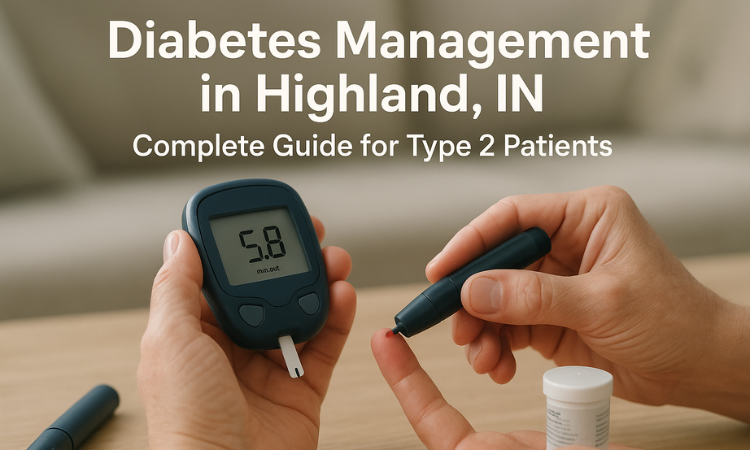
Many chronic conditions like high blood pressure, diabetes, and high cholesterol develop silently. Without regular check‑ups, you may not notice symptoms until the condition worsens. Primary care doctors in Northwest Indiana use screenings and exams to catch these issues early, making treatment easier and more effective.
2. Reduce Your Risk of Serious Illness
Preventive care helps you avoid health problems before they start. Vaccinations, regular lab tests, and lifestyle evaluations can lower your risk for diseases like heart disease, stroke, and certain cancers.
For example, identifying pre‑diabetic blood glucose levels allows your doctor to recommend changes that may prevent full‑blown diabetes.
3. Lower Healthcare Costs Over Time
When health problems are caught early, treatment can be simpler and less expensive. Avoiding emergency room visits, hospital stays, or advanced treatments not only benefits your health but also reduces financial strain.
Staying proactive with preventive care can help you avoid costly medical interventions down the road.
How Primary Care Doctors Help With Preventive Care
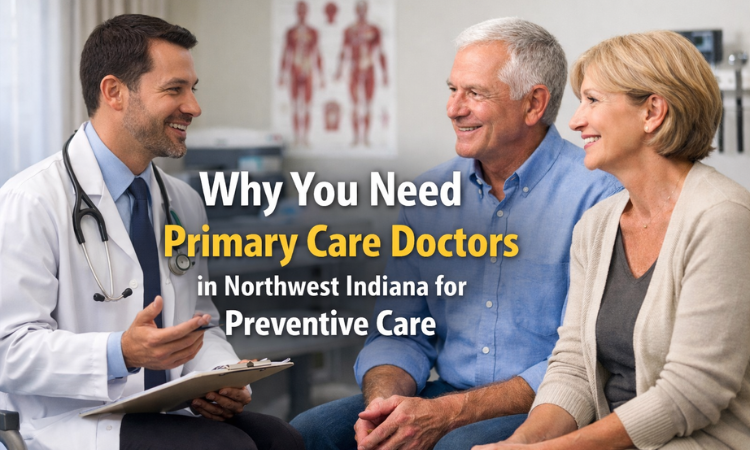
A primary care doctor provides personalized care that fits your unique health profile. Here’s how they support your preventive care needs:
Comprehensive Health Evaluations
Primary care doctors begin with a full understanding of your medical history, family history, lifestyle, and current health. These factors help them tailor screenings, immunizations, and counseling specifically to your needs.
For example, a patient with a family history of heart disease may need earlier or more frequent cardiovascular screenings.
Routine Screenings and Tests
Based on age, gender, and risk factors, your doctor may recommend tests such as:
- Blood pressure monitoring
- Cholesterol checks
- Diabetes screening
- Cancer screenings (e.g., colonoscopy, mammogram referrals)
- Bone density checks
These tests help catch problems early, often before you notice symptoms.
Personalized Lifestyle Counseling
Preventive care isn’t only about tests — it’s about helping you live healthier. Primary care doctors in Northwest Indiana offer guidance on nutrition, exercise, stress management, smoking cessation, and other lifestyle choices that influence long‑term health.
Whether you need help setting realistic goals or understanding how your habits affect your body, your primary care doctor is your partner.
Immunizations and Vaccinations
Keeping vaccines up to date is a key part of preventive care. From flu shots to immunizations for adults, primary care doctors ensure you’re protected against preventable diseases.
Vaccines aren’t just for children — adults need them too, especially as immunity changes with age.
Coordination of Care
Your primary care doctor serves as the central hub for your health care, especially if you see specialists. Instead of navigating multiple doctors on your own, your primary care provider helps coordinate care, ensuring test results, medications, and treatment plans are aligned.
This coordinated approach reduces the risk of miscommunication, unnecessary duplication of services, and gaps in care.
Building a Long‑Term Relationship With Your Provider
Choosing a primary care doctor isn’t just about addressing immediate needs — it’s about developing a long‑term health partnership. When your doctor knows you personally, they can make better recommendations, spot subtle changes in your health over time, and support you through every stage of life.
Whether you’re managing a chronic condition or want to stay healthy as you age, having a trusted primary care team by your side is invaluable.
Preventive Care for Every Age and Stage
Preventive care isn’t only for adults — it’s for everyone:
- Children and teens benefit from growth monitoring, immunizations, and school‑related health guidance.
- Adults benefit from regular screenings, health risk assessments, and lifestyle support.
- Older adults require focused care on chronic conditions, mobility, memory health, and fall prevention.
Primary care doctors in Northwest Indiana are trained to care for people at every stage of life, providing continuity and consistency in care.
Choosing a Primary Care Doctor in Northwest Indiana
When searching for the right provider, consider these factors:
- Accessibility and location
- Range of preventive services offered
- Communication and comfort level with the doctor
- Coordination with other specialists if needed
- Insurance acceptance and payment options
At Munster Primary Care, we emphasize patient‑centered care and preventive medicine. Our goal is to help you stay healthy, catch potential problems early, and provide the support you need for a healthier life.
Conclusion
Preventive care isn’t optional — it’s essential. Working with Primary Care Doctors in Northwest Indiana ensures you’re not just treating symptoms but actively managing your overall health.
Don’t wait until health concerns become urgent. Schedule regular check‑ups, stay informed about your health risks, and partner with a primary care team that understands your needs.
Your health is your most important asset — and preventive care is the best strategy for protecting it.